

Buying AdBlue at wholesale volume changes the questions that matter — the fluid and the specification stay exactly the same, but scheduling, packaging mix and documentation all become bigger considerations than the per-litre price. A single jerrycan and a monthly 1000-litre order are the same product, bought two very different ways. Understanding what changes is what makes a bulk quote easy to evaluate.
What counts as "wholesale" for AdBlue
There's no fixed threshold, but in practice buyers fall into two patterns:
- Occasional or single-site buyers who order jerrycans or a drum as needed, usually without a standing schedule.
- Volume buyers — fleet depots, construction sites, workshops with regular throughput — who use enough that a one-off order every time is inefficient, and who benefit from a standing delivery arrangement instead.
The second group is who "wholesale" or "bulk" buying is really aimed at. Our consumption guide has the maths for estimating roughly where your fleet falls — as a rough marker, a site using more than a few hundred litres a month is generally past the point where a standing arrangement makes sense.
Standing schedule vs spot orders
This is the main practical difference at volume:
- A spot order is a one-off purchase, priced and arranged each time. It's fine for occasional needs but means re-negotiating and re-scheduling delivery every time stock runs low.
- A standing delivery schedule is arranged once, against your expected monthly or weekly volume, and repeats automatically. It suits any site with a predictable, ongoing consumption pattern — which describes most fleets and depots.
A standing schedule also gives a supplier the ability to plan their own production and delivery capacity around your needs, which is usually reflected in better reliability, and often better terms, than repeated spot orders of the same total volume.
Packaging mix at volume
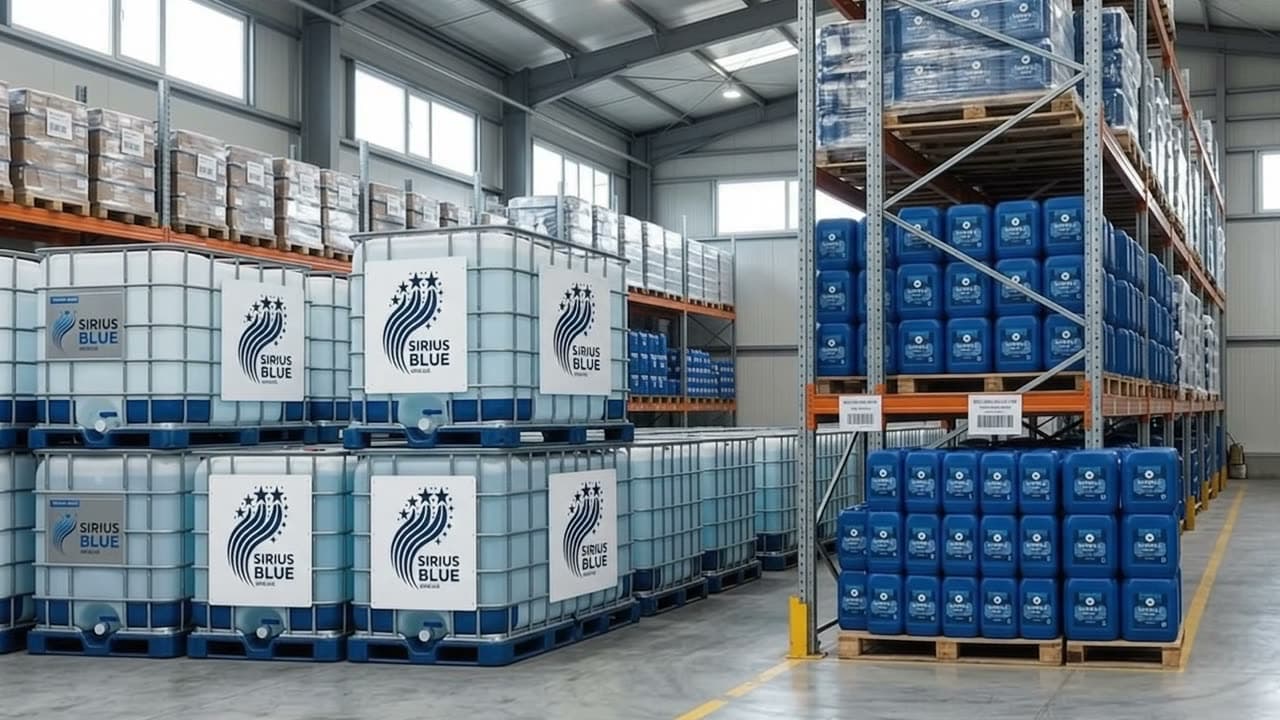
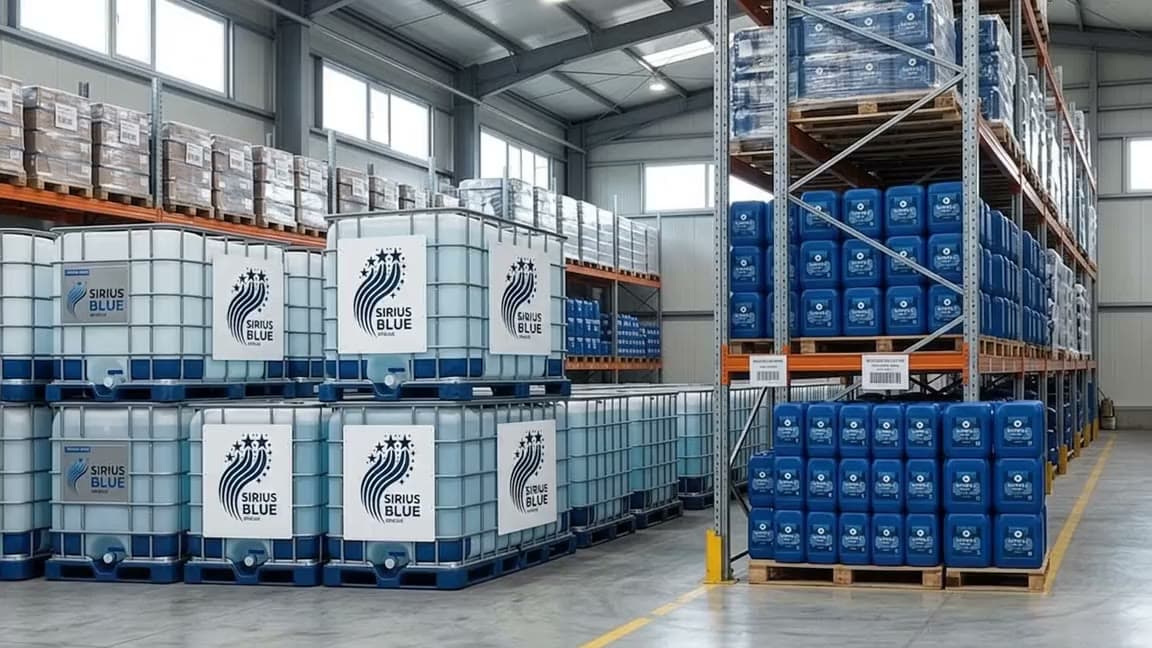
Bulk doesn't mean everything comes in IBC totes. Most volume buyers end up with a mix:
- 1000L IBC totes at the depot, for the lowest cost per litre and the least packaging waste.
- 200L drums where space or equipment doesn't suit a full IBC.
- 10L or 20L jerrycans kept on hand for vehicles or equipment that refuel away from the depot, and as an emergency reserve.
Our packaging guide covers the trade-offs between formats in detail. The right mix depends on your sites and fleet, not on volume alone — worth discussing directly with a supplier rather than defaulting to one format.
Documentation doesn't get simpler at volume — it gets more important
A single jerrycan going into one vehicle is a small risk if something's wrong with it. A 1000-litre tote feeding a fleet is not. At volume, ask for:
- A safety data sheet and tested values for every delivery, not just the first order.
- Batch or production date traceability, so a problem can be traced to a specific delivery rather than your whole stock.
- Clarity on tote handling — whether totes are exchanged, returned, or yours to keep, since this affects your site's container logistics as much as the fluid itself.
A supplier who treats documentation as a formality at low volume and skips it at scale is treating your fleet's SCR systems as an acceptable risk. See our supplier-choosing guide for the fuller checklist.
Delivery planning at volume
The bigger the volume, the more a missed or late delivery costs — a fleet stopped for lack of AdBlue is a fleet not earning. Worth confirming before committing to a supplier:
- Lead time for a scheduled delivery, and whether it changes during your busiest periods.
- Delivery to your actual sites, not just a central point you then have to redistribute from.
- How a shortfall is handled — can an unscheduled top-up be arranged quickly if consumption runs ahead of forecast?
Building in a buffer — stock beyond your immediate need, sized to your delivery lead time — is standard practice and worth planning for rather than treating as a failure of forecasting.
How to evaluate a bulk quote
Price per litre is the obvious comparison, but it's not the only one that matters:
- Does the price include delivery to your site, or is that separate?
- What's the minimum order and delivery frequency the schedule assumes?
- What documentation comes with each delivery, as standard?
- What happens if your actual consumption differs from the forecast the schedule was built on?
A slightly higher price per litre with reliable delivery, full documentation and flexibility to adjust volume is very often the better deal over a lower price with none of those.
How SiriusBlue handles wholesale orders
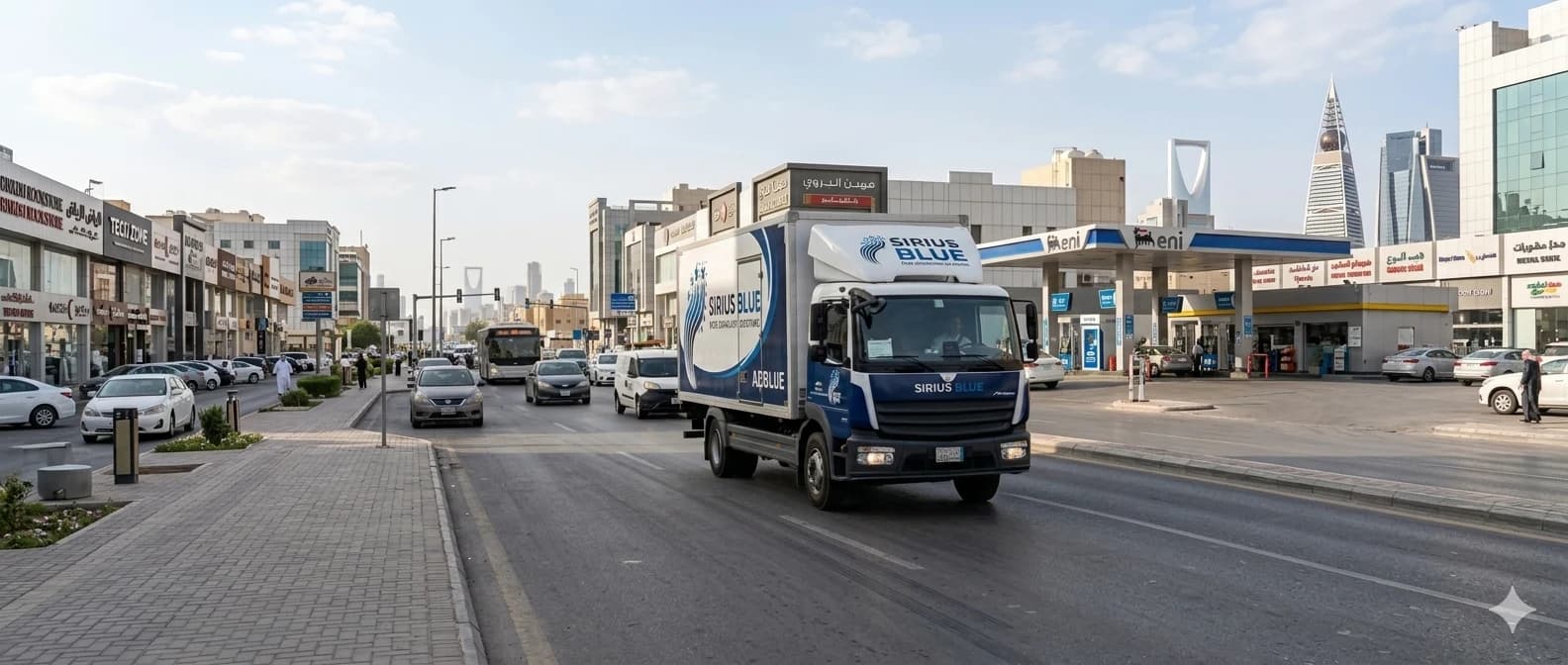
SiriusBlue blends AdBlue at its plant in Riyadh and supplies fleets, construction sites and depots across the Kingdom with standing delivery schedules built around actual consumption, not guesswork. We supply the full range — 10L and 20L jerrycans, 200L drums on request, 1000L IBC totes — so a site can mix formats rather than force volume into one container size. As with every order, we publish the specification values a batch is tested against rather than just describing them. Tell us your monthly volume, sites and preferred packaging mix and we'll put together a schedule and a quote.
Quick answers
Is there a minimum volume for a standing delivery schedule?
It depends on the supplier, but as a rough guide, once a site is using more than a few hundred litres a month, a standing arrangement is usually more efficient than repeated spot orders — worth asking any supplier directly.
Does buying in bulk mean lower quality control?
It shouldn't. A supplier's testing and documentation should apply to every batch and every delivery, regardless of order size — ask specifically if that's the case before committing to volume.
Can I mix jerrycans and bulk totes in one order?
Yes, and most volume buyers do — bulk for the depot, jerrycans for vehicles or equipment that refuel elsewhere. See our packaging guide for how to split the mix.
What happens if I order more than I can use before it degrades?
Oversized orders relative to your shelf-life window are a real risk in Saudi heat — see our storage guide. Size orders to what you'll use within a reasonable window, not just to get a better per-litre price.
Key points
- "Wholesale" AdBlue buying is really about scheduling and packaging mix, not a different product.
- A standing delivery schedule suits any site with predictable, ongoing consumption better than repeated one-off orders.
- Documentation and batch traceability matter more at volume, not less — ask for both on every delivery.
- Evaluate a bulk quote on delivery reliability and flexibility, not price per litre alone.
- Match order size to what you'll actually use within the fluid's shelf life, not just to the best available price break.